
Li-ESWT 的工作原理
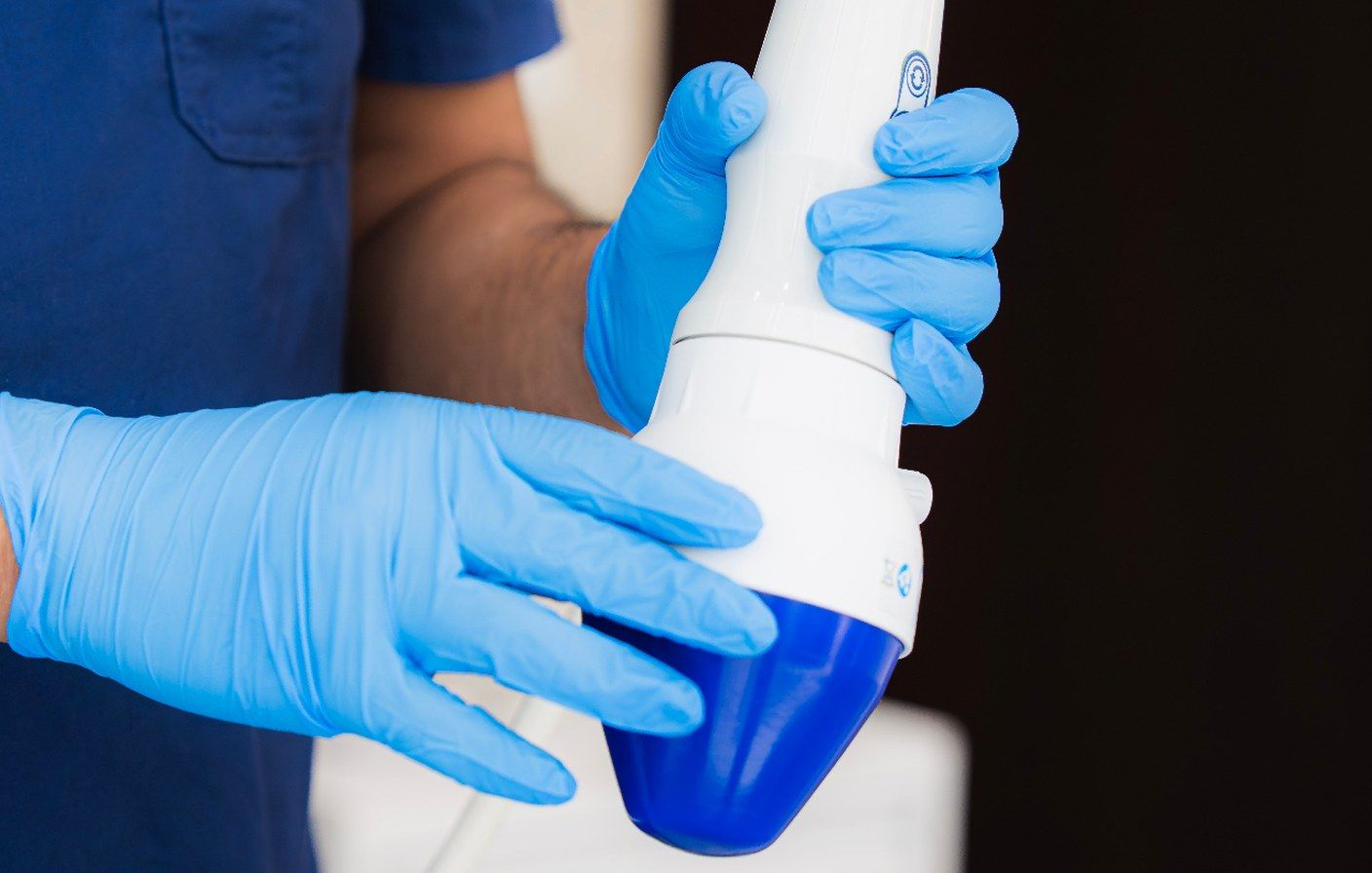
通过手持式涂抹器将聚焦的低强度声波冲击波传递到阴茎干和脚。机械刺激引发一系列细胞反应——内皮祖细胞的募集、VEGF和其他生长因子的上调以及海绵体组织中新微血管的增殖。
临床目标是 恢复 勃起功能,而非提供即时效果。与PDE5抑制剂不同,Li-ESWT作用于潜在的血管基质,旨在实现疗程之间及疗程结束后持续的改善。
每次治疗耗时15-20分钟,无需麻醉,且无恢复期。大多数男性可立即恢复正常活动,包括运动。
勃起功能障碍 (ED) 治疗方案
非侵入性低强度聚焦冲击波疗法,针对导致 ED 的潜在血管问题。该疗法在 Hisential 诊所通过 Medispec ED1000 进行,这是该疗法关键临床试验所采用的线性聚焦 Li-ESWT 平台。
快速解答
低强度体外冲击波治疗 (Li-ESWT) 利用聚焦声波刺激阴茎组织中新血管的生长(血管生成),从而恢复支持勃起的血管功能。一个典型的疗程是在6周内进行6-12次治疗,无需麻醉,无需恢复期。荟萃分析报告显示,在经过适当筛选的男性中,约60-70%的人勃起功能评分有显著改善,效果通常持续12-24个月,甚至更久。
经医学审查 Dr. Julian Ng, MBBS (University of Sydney), MSc Microbiology (NUS), Cert. Men's Health (SMHS)
最后评论 2026 年 5 月 1 日 · 下次回顾 2026 年 11 月 1 日
通过手持式涂抹器将聚焦的低强度声波冲击波传递到阴茎干和脚。机械刺激引发一系列细胞反应——内皮祖细胞的募集、VEGF和其他生长因子的上调以及海绵体组织中新微血管的增殖。
临床目标是 恢复 勃起功能,而非提供即时效果。与PDE5抑制剂不同,Li-ESWT作用于潜在的血管基质,旨在实现疗程之间及疗程结束后持续的改善。
每次治疗耗时15-20分钟,无需麻醉,且无恢复期。大多数男性可立即恢复正常活动,包括运动。
最有力的证据支持Li-ESWT用于血管性勃起功能障碍(ED)的男性,特别是65岁以下、对PDE5抑制剂反应不佳或无反应的患者。它能使相当一部分PDE5无反应者转变为反应者。
对于患有严重糖尿病相关微血管损伤、根治性前列腺切除术后神经损伤或终末期动脉粥样硬化的男性,其疗效较差。Hisential的评估流程包括血管和代谢检查,以确保治疗资格与机制匹配,而非仅凭个人意愿。
Hisential的典型疗程为6周内进行6-12次治疗。改善通常在第3-4次治疗后开始,并在疗程结束后持续数月。最大规模的荟萃分析(见下方参考文献)报告称,在筛选合适的男性中,60-70%的人IIEF-EF评分有临床意义的改善,且效果在12-24个月甚至更长时间内保持持久。
Li-ESWT与优化的PDE5剂量和代谢方案配合使用效果良好。许多男性随后可以减少PDE5剂量或改为按需使用。
在已发表的研究中,Li-ESWT具有极佳的安全性。最常见的报告是轻微的短暂触痛、偶尔的轻微淤青和短暂的皮肤发红。在随机试验中,没有严重不良事件被可靠地归因于针对ED的聚焦式Li-ESWT。
在患有活动性阴茎感染、治疗区域有活动性恶性肿瘤或患有出血性疾病的男性中,不宜进行此治疗。您的主治医生会在安排任何疗程前评估适用性。
以下所有数字均包含 GST。
价格最后更新 。除非另有说明,价格包括 GST,并在预订前由礼宾部确认。
您的套餐大小将根据您的医生评估后建议的课程进行调整,因此总数取决于商定的课程数量。当Li-ESWT与口服药物或激素治疗相结合时,这些药物单独并清楚地引用。
Hisential 的完整临床发作围绕四个明确定义的阶段进行构建,因此患者了解每次就诊时会发生什么以及如何做出决定。
第一阶段 - 预咨询分流。 在您第一次就 Li-ESWT 进行预约之前,我们的护理协调员会通过 WhatsApp 或电话了解简短的病史,以确定远程咨询、诊所就诊或当天检查是否最合适。这样可以避免因可以远程分类的问题而不必要的旅行,并确保优先考虑紧急就诊的患者。如果可能需要实验室检查、影像学或禁食,我们会提前解释要求,以便第一次就诊富有成效,而不是纯粹的探索性。
第 2 阶段 - 临床评估。 第一次咨询包括结构化病史、重点检查以及临床指示的现场护理或实验室检查。医生在我们的数字记录系统中记录结果,并引导患者了解每次测试的基本原理。在进行任何收费调查之前确认费用;未经同意不得添加任何内容。
第 3 阶段 - 诊断、计划和共同决策。 一旦获得结果,医生就会用通俗易懂的语言与患者进行审查,包括正常范围、关注领域以及任何拟议干预措施背后的证据水平。对于 Li-ESWT,治疗方案是根据预期效益、实际时间表、副作用概况和成本制定的。我们鼓励患者提出问题,并可以要求第二次预约,以在开始治疗之前考虑他们的选择;当天没有做出决定的压力。
第四阶段——后续行动和连续性。 随访间隔在第一次就诊结束时商定,并取决于病情:慢性治疗通常每 3-6 个月进行一次审查,而急性发作可能在 1-4 周内进行审查。远程会诊(从S$50到GST之后)用于不需要体检的常规随访。记录将得到安全保存,并可根据患者的要求进行访问,包括用于进一步转诊或与另一位医生协调。
Hisential 不销售未经证实的疗法,不推荐没有临床指征的测试,并且不会将治疗疗程延长到证据支持之外。如果某种情况超出了我们的范围 - 例如,需要住院护理、外科亚专业投入或肿瘤学服务 - 我们会如此说明并适当转介。诚实范围是标准的一部分。
所有的冲击波机器都一样吗?
“冲击波疗法”在世界各地的诊所中被广泛使用,但它涵盖了 两种截然不同的技术,它们在治疗勃起功能障碍方面不可互换。
这 Medispec ED1000 是一款专为性医学打造的线性聚焦 Li-ESWT 平台,其线性涂药器可沿阴茎干和脚的长度而不是单个点进行治疗。其显着特征并非营销宣传,而是产生 ED 冲击波治疗基础临床证据的设备。
为何这在临床上很重要:
诚实的警告:该设备是必要的,但还不够。协议保真度(脉冲数、能量通量密度、解剖图)、操作员培训和患者选择与平台本身一样重要。 Hisential 将研究级设备与结构化协议和 SMC 注册医疗团队相结合,而不是孤立地依赖一个因素。
由我们的临床团队撰写的清晰答案。点击任何问题即可获取其直接永久链接,或者联系您的个人礼宾人员了解其他问题。
还有问题吗?
您的私人礼宾人员会在一个工作日内给予答复 - 保密。