
الاكتشاف المبكر للسرطان المتعدد · Orchard، سنغافورة
اختبار الدم للكشف المبكر عن السرطان المتعدد في سنغافورة
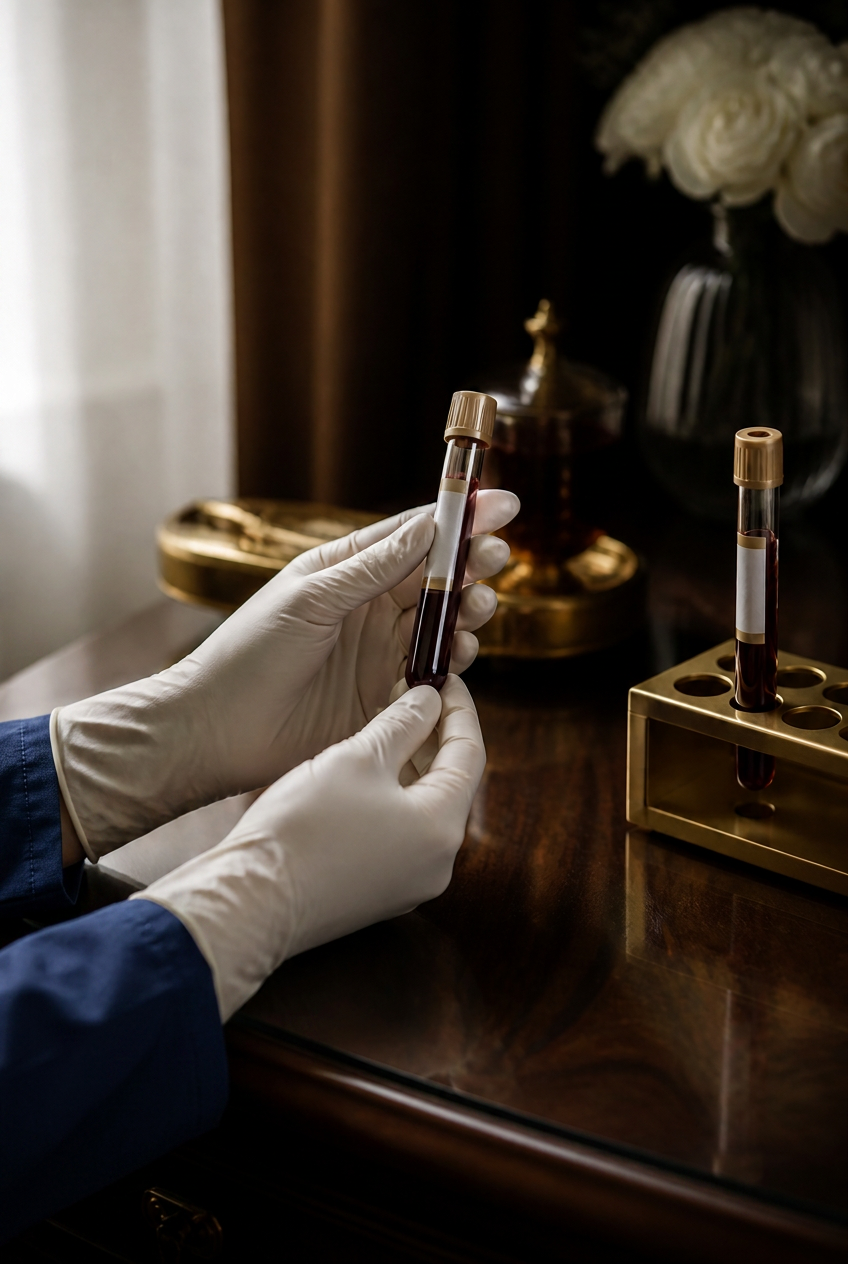
سحب دم واحد، تم فحصه باستخدام تسلسل الجيل التالي بحثًا عن إشارات من العديد من أنواع السرطان في وقت واحد - بما في ذلك سرطان البنكرياس والكبد والمعدة والمبيض، والتي ليس لديها برنامج فحص روتيني في سنغافورة على الإطلاق.
- الأطباء المسجلين في SMC
- عيادة مرخصة MOH
- سحب دم واحد
- لوحات NGS وctDNA
- Mandarin Gallery
- أيام الأسبوع 10 صباحًا - 7 مساءً · السبت - الأحد 10 صباحًا - 5 مساءً
إجابة سريعة
يقوم اختبار الكشف المبكر عن السرطان المتعدد (MCED) بتحليل الحمض النووي المشتق من الورم والإشارات الأخرى المرتبطة بالسرطان في عينة دم واحدة. وهو لا يحل محل تنظير القولون أو التصوير الشعاعي للثدي أو PSA - فهو يضيف تغطية للسرطانات التي لا تنظر إليها هذه البرامج أبدًا. تستغرق النتائج حوالي 12 إلى 18 يوم عمل، وتكون الإشارة المكتشفة بمثابة تحفيز للتصوير التأكيدي، وليس التشخيص.
تم التحقق من قبل Dr. Julian Ng, MBBS (University of Sydney), MSc Microbiology (NUS), Cert. Men's Health (SMHS) · آخر مراجعة 8 أغسطس 2026 · المراجعة القادمة 8 فبراير 2027
الفحص ذات الصلة: فحص سرطان البروستاتا في سنغافورة, الفحص الصحي الشامل في سنغافورة، و الفحص الغذائي في سنغافورة.
السرطان لا أحد يفحصك
نظمت سنغافورة فحصًا لسرطان القولون والمستقيم وسرطان الثدي وعنق الرحم، ويستخدم اختبار المستضد البروستاتي النوعي (PSA) على نطاق واسع في البروستاتا. وهذا يترك مجموعة كبيرة من أنواع السرطان بدون أي مسار فحص روتيني على الإطلاق، وهو على وجه التحديد مصدر معظم التشخيصات في المراحل المتأخرة.
- البنكرياس
- الكبد
- معدة
- المريء
- المبيض
- بطانة الرحم
- الرأس والرقبة
ولا يمكن لاختبار الدم أن يؤكد أيًا من هذه الأمور. ما يمكن أن يفعله هو عرض إشارة في وقت مبكر بما يكفي حتى يتمكن التصوير من العثور على شيء صغير، بدلاً من انتظار الأعراض التي عادة ما تصل متأخرة.
اكتشف ما تغطيه كل لوحة
ستة لوحات، وسحب دم واحد. اختر لوحة أدناه وستظهر لوحة التغطية بالضبط أنواع السرطان التي تشملها وتلك التي لا تشملها، مجمعة حسب نظام الجسم. قم بتبديل اللوحات لمشاهدة تغير التغطية، أو قم بتشغيل المقارنة لمعرفة ما يضيفه المستوى التالي. جميع الأسعار بعد GST.
ابدأ هنا
إن لوحة ctDNA لعشرة سرطانات في S$900 هي نقطة البداية المعتادة: السرطانات الشائعة والعدوانية، والتي لا يتم فحص معظمها بأي شيء آخر.
اتساع خاص بالجنس
تشمل لوحات السرطان للنساء والرجال الـ 12 سرطانات أمراض النساء والبروستاتا والكلى والمثانة الأكثر أهمية حسب الجنس، عند S$2,500.
أوسع شبكة
تضيف لوحة 50 سرطانًا في S$4,500 سرطانات الدم والجلد والأنسجة الرخوة والسرطانات النادرة. إنه اتساع، وليس دقة أفضل لأي سرطان بعينه.
لوحة ctDNA المستهدفة
نقطة الدخول. عشرة أنواع من السرطان الشائعة والعدوانية، سبعة منها ليس لديها برنامج فحص روتيني في سنغافورة.
- التغطية
- 10 سرطانات
- لا يوجد فحص روتيني
- 8 من هؤلاء
- عينة
- 10 مل سحب الدم الوريدي
- نتيجة
- حوالي 12 يوم عمل
صدري
- سرطان الرئة - متضمنة
- أورام الغدد الصم العصبية في الرئة - غير متضمنة
الجهاز الهضمي والكبد
- سرطان القولون والمستقيم - متضمنة
- سرطان الكبد - متضمنة
- سرطان البنكرياس - متضمنة
- سرطان المعدة - متضمنة
- سرطان المريء - متضمنة
- ورم انسجة الجهاز الهضمي (GIST) - غير متضمنة
- القناة الصفراوية، خارج الكبد - غير متضمنة
- القناة الصفراوية، المرارة - غير متضمنة
- القناة الصفراوية، داخل الكبد - غير متضمنة
- سرطان الأمعاء الدقيقة - غير متضمنة
- أورام الغدد الصم العصبية القولون والمستقيم - غير متضمنة
- أورام الغدد الصم العصبية في المعدة - غير متضمنة
الجهاز البولي التناسلي
- سرطان البروستاتا - غير متضمنة
- سرطان الكلى، خلية واضحة - غير متضمنة
- سرطان المثانة - غير متضمنة
- سرطان الخصية - غير متضمنة
- سرطان القضيب - غير متضمنة
- ورم ويلمز البالغ - غير متضمنة
الثدي وأمراض النساء
- سرطان الثدي - متضمنة
- سرطان المبيض - متضمنة
- سرطان بطانة الرحم - متضمنة
- سرطان عنق الرحم - غير متضمنة
- الخلايا الجرثومية المبيضية والورم اللحمي - غير متضمنة
- سرطان الفرج - غير متضمنة
الرأس والرقبة
- سرطان البلعوم الأنفي، EBV إيجابي - متضمنة
- سرطان البلعوم، فيروس الورم الحليمي البشري إيجابي - غير متضمنة
- سرطان البلعوم، فيروس الورم الحليمي البشري سلبي - غير متضمنة
- سرطان الحنجرة - غير متضمنة
- سرطان الغدد اللعابية - غير متضمنة
أمراض الدم
- سرطان الدم النخاعي الحاد، المرتبط بخلل التنسج النقوي - غير متضمنة
- سرطان الدم النخاعي الحاد، متحور بـ NPM1 - غير متضمنة
- سرطان الدم النخاعي الحاد، والتغيرات الجينية المحددة الأخرى - غير متضمنة
- سرطان الدم مشعر الخلايا - غير متضمنة
- سرطان الغدد الليمفاوية، بوركيت - غير متضمنة
- سرطان الغدد الليمفاوية، منتشر في الخلايا البائية الكبيرة - غير متضمنة
- سرطان الغدد الليمفاوية، اللمفاوية - غير متضمنة
- المايلوما - غير متضمنة
- الأورام التكاثرية النقوية - غير متضمنة
- ورم الخلايا البدينة - غير متضمنة
الجلد والأنسجة الرخوة
- سرطان الجلد، سرطان الجلد - غير متضمنة
- سرطان الجلد، غير سرطان الجلد - غير متضمنة
- سرطان الجلد، العنبية - غير متضمنة
- سرطان الجلد، الملتحمة - غير متضمنة
- سرطان الأنسجة الرخوة، الساركوما الوعائية - غير متضمنة
- سرطان الأنسجة الرخوة، ساركوما العضلات الملساء - غير متضمنة
- سرطان العظام - غير متضمنة
الغدد الصماء وغيرها
- سرطان الغدة الدرقية - غير متضمنة
- سرطان الغدة الكظرية - غير متضمنة
الأسعار بعد GST وتغطي لوحة المختبر. يتم ذكر استشارة الطبيب وأي تصوير تأكيدي أو إحالة متخصصة بشكل منفصل. يتم تأكيد توفر اللوحة عند التشاور.
تتم معالجة جميع اللوحات في مختبر سريري مرخص من MOH في سنغافورة، ويتم إصدار التقرير إلى الطبيب المسؤول.
التشاور أولا
يقوم الطبيب بمراجعة عمرك وتاريخك العائلي وعوامل الخطر، ثم يشرح لك ما يمكن أن يخبرك به الاختبار وما لا يمكن أن يخبرك به. لا شيء مطلوب قبل تلك المحادثة.
سحب دم واحد
حوالي 10 مل من الدم الوريدي. لا صيام ولا تصوير ولا تحضير - يمكن إضافتها إلى زيارة الفحص الصحي في نفس اليوم.
مراجعة النتيجة، مع الخطوة التالية
نحن نراجع التقرير شخصيًا. إذا تم اكتشاف إشارة، نقوم بترتيب التصوير التأكيدي أو الإحالة المتخصصة بدلاً من تسليم تقرير لك وتركه هناك.
ما مدى دقة ذلك، بصراحة
هذا هو الجزء الذي تتخطاه معظم الصفحات. يعد اختبار الدم للكشف عن السرطان إضافة قوية للفحص وبديلاً سيئًا له، والأسباب تستحق الفهم قبل أن تدفع ثمنها.
ما يتم قياسه في الواقع
ليس الورم، بل أجزاء من الحمض النووي التي يلقيها في مجرى الدم، بالإضافة إلى العلامات الكيميائية على تلك الأجزاء التي تشير إلى الأنسجة التي أتت منها. ولهذا السبب يمكن للاختبار أن يقترح مكان ظهور الإشارة.
تعتمد الحساسية على المسرح بشكل كبير
يتخلص الورم الصغير في المرحلة الأولى من الحمض النووي قليلًا جدًا، لذا فإن معدلات الاكتشاف في المرحلة الأولى أقل ماديًا منها في المرحلة الثالثة أو الرابعة. تختلف الحساسية أيضًا بين أنواع السرطان. أي شخصية مقتبسة دون إرفاق مرحلة تكون بلا معنى تقريبًا، ولن نقتبس منها.
الخصوصية، وما هي تكاليف الإنذار الكاذب
تم تصميم هذه اللوحات لإبقاء النتائج الإيجابية الكاذبة غير شائعة، لأن الإنذار الكاذب ليس ضارًا: فهو يعني التصوير والانتظار والقلق، وفي بعض الأحيان إجراء اختبار جراحي لم تكن بحاجة إليه. يجب أن تزن ذلك قبل الاختبار، وليس بعده.
التنبؤ بالأنسجة المنشأ
تشير معظم التقارير إلى موقع أو موقعين محتملين بدلاً من ذكر أنه تم العثور على شيء ما فقط. وهذا هو ما يجعل المتابعة مستهدفة، بدلاً من البحث الشامل للجسم.
ماذا تعني النتيجة الإيجابية إحصائيا
في مجتمع الفحص، حيث لا يعاني معظم الناس من السرطان، فإن نسبة من النتائج الإيجابية سوف يتبين أن لها تفسيرًا حميدًا. الإيجابية هي تعليمات للتحقيق، وليس التشخيص.
ما لا يعني نتيجة سلبية
إنها ليست فاتورة صحية نظيفة. وهذا يعني أنه لم يتم اكتشاف أي إشارة في تلك العينة في ذلك اليوم. احتفظ بتنظير القولون، والتصوير الشعاعي للثدي، واختبار عنق الرحم أو فيروس الورم الحليمي البشري واختبار PSA في الموعد المحدد، وأبلغ عن الأعراض الجديدة مهما كان ما ورد في التقرير.
ما تدفعه
- استشارة الطبيب
- مقتبس عند الحجز، وهو مطلوب قبل طلب أي لوحة
- 10-لوحة ctDNA الخاصة بالسرطان
- S$900 بعد GST
- لوحة التسلسل، 5 سرطانات
- S$1,050 بعد GST
- لوحة التسلسل، سيدات 7
- S$1,700 بعد GST
- لوحة التسلسل، النساء 12 أو الرجال 12
- S$2,500 بعد GST
- لوحة التسلسل، 50 حالة سرطان
- S$4,500 بعد GST
- التصوير التأكيدي أو الإحالة المتخصصة
- مقتبس بشكل منفصل، فقط في حالة اكتشاف إشارة
يتم تأكيد الأسعار قبل طلب أي شيء. تُدفع الرسوم بالكامل أثناء الزيارة؛ عندما تغطي سياستك الاختبار، يمكنك المطالبة باسترداد المبلغ من شركة التأمين الخاصة بك بعد ذلك وسنقدم إيصالات مفصلة.
آخر تحديث للأسعار . تشمل الأسعار GST ما لم يُنص على خلاف ذلك ويتم تأكيدها من قبل الكونسيرج الخاص بك قبل حجز أي شيء.
كيف تقرأ نتيجتك
لم يتم الكشف عن أي إشارة
ولم يتم العثور على إشارة مرتبطة بالسرطان في تلك العينة. إنها لقطة للحظة واحدة، وليست تنبؤاً وليست تصفية. تقوم الأورام في مرحلة مبكرة بإلقاء القليل جدًا من الحمض النووي في الدم، لذا حافظ على الفحص الإرشادي الخاص بك في الموعد المحدد وأبلغ عن أي أعراض جديدة أو مستمرة بغض النظر عن النتيجة.
تم الكشف عن الإشارة
هذا ليس تشخيصا. يشير التقرير إلى الأنسجة المنشأ المتوقعة، والتي توجه التصوير المستهدف أو التنظير أو الإحالة المتخصصة. تبين أن بعض الإشارات لها تفسير حميد. نقوم بتنسيق خطوة التأكيد معك حتى تبقى الفترة الفاصلة بين النتيجة والإجابة قصيرة.
إذا تم الكشف عن إشارة، وهذا هو ترتيب الأحداث
- نحن نتصل بك خلال يوم عمل واحد من تاريخ التقرير ونحجز لك استشارة للمراجعة، بدلاً من إرسال النتيجة عبر البريد الإلكتروني والانتظار.
- يشرح الطبيب النسيج المنشأ المتوقع وما يعنيه وما لا يعنيه، ونقوم بترتيب التصوير المستهدف أو التنظير، عادةً في غضون أسبوع إلى أسبوعين.
- إذا كان التصوير واضحا، فإننا نتفق على فترة زمنية لتكرار التقييم. إذا لم يكن الأمر كذلك، فإننا نحيل إلى الأخصائي المناسب ونبقى معك خلال عملية التسليم.
من يجب أن يعتبره
البالغين من سن 40 عامًا تقريبًا، وما قبل ذلك حيث يوجد تاريخ عائلي كبير للإصابة بالسرطان أو أي عامل خطر مرتفع آخر مثل التهاب الكبد المزمن B، أو التدخين على المدى الطويل أو الاستعداد الوراثي المعروف. إنه اختبار فحص للأشخاص الذين ليس لديهم أعراض. إذا كانت لديك أعراض بالفعل - فقدان الوزن غير المبرر، أو النزيف، أو وجود كتلة مستمرة أو تغير في عادة الأمعاء - فإن التقييم التشخيصي يأتي أولاً، وسنقول ذلك.
إنه يتزاوج بشكل طبيعي مع أ فحص صحي شامل وللرجال مع فحص سرطان البروستاتا.
الكشف المبكر عن السرطان المتعدد - أسئلة
إجابات واضحة، كتبها فريقنا السريري. اضغط على أي سؤال للحصول على الرابط الثابت المباشر الخاص به، أو تواصل مع الكونسيرج الشخصي الخاص بك لأي شيء آخر.
وهي عبارة عن سحب دم واحد يتم تحليله باستخدام تسلسل الجيل التالي لأجزاء من الحمض النووي للورم والعلامات الكيميائية المحمولة عليها. فبدلاً من النظر إلى عضو واحد في كل مرة، يتم فحص عينة واحدة بحثًا عن إشارات مرتبطة بالعديد من أنواع السرطان في وقت واحد، بما في ذلك العديد من السرطانات التي ليس لديها برنامج فحص روتيني في سنغافورة.
جميع الأسعار بعد GST. لوحة ctDNA ذات 10 سرطانات هي S$900. لوحات التسلسل هي S$1,050 لـ 5 أنواع من السرطان، وS$1,700 للنساء 7، وS$2,500 للنساء 12 والرجال 12، وS$4,500 للوحة 50 سرطانًا. يتم ذكر استشارة الطبيب عند الحجز، ويتم عرض التصوير التأكيدي أو الإحالة المتخصصة بشكل منفصل وفقط في حالة اكتشاف إشارة.
الاتساع وليس الدقة. تغطي لوحة السرطان الخمسة الرئة والقولون والمستقيم والكبد والبنكرياس والغدة الدرقية. تشمل النساء 12 أورام الثدي والمبيض وعنق الرحم وبطانة الرحم والمعدة والبلعوم الأنفي والجهاز الهضمي. يشمل الرجال 12 ورم البروستاتا والكلى والمثانة والمريء والمعدة والبلعوم الأنفي والجهاز الهضمي. تضيف لوحة 50 سرطانًا أمراض الدم والجلد والأنسجة الرخوة والسرطانات النادرة في الأعلى.
يعتمد ذلك على ملف تعريف المخاطر الخاص بك، وليس على العدد. إن اختبار المزيد من أنواع السرطان لا يجعل اكتشاف أي منها أكثر دقة، وكل هدف إضافي يضيف فرصة ضئيلة لإشارة يتبين أنها حميدة. يكون الأمر أكثر منطقية عندما يكون هناك تاريخ عائلي للإصابة بسرطان أقل شيوعًا، أو عندما تريد شبكة أوسع وتكون مرتاحًا للمتابعة التي يمكن أن تؤدي إلى ظهور نتيجة إيجابية.
أقل دقة من المرض المتقدم، وهذا مهم. تقوم الأورام الصغيرة المبكرة بإلقاء القليل جدًا من الحمض النووي في الدم، لذا فإن معدلات الكشف في المرحلة الأولى تكون أقل ماديًا منها في المرحلة الثالثة أو الرابعة، كما أنها تختلف أيضًا بين أنواع السرطان. النوعية عالية، مما يعني أن الإنذارات الكاذبة غير شائعة، ولكن لا يوجد اختبار MCED يستبعد الإصابة بالسرطان. يقوم طبيبك بمراجعة ما يعنيه ذلك على مسؤوليتك الخاصة قبل أن تقرر إجراء الاختبار.
لا، لقد تم تصميمه ليتوافق مع الفحص الإرشادي، وليس ليحل محله. ويظل تنظير القولون، والتصوير الشعاعي للثدي، واختبار عنق الرحم أو فيروس الورم الحليمي البشري، وفحص المستضد البروستاتي النوعي، هي الأدوات الموصى بها لعلاج السرطانات التي تغطيها. تكمن قيمة اختبار MCED في السرطانات التي لا تبحث عنها تلك البرامج على الإطلاق.
الإشارة المكتشفة ليست تشخيصًا. نتصل بك خلال يوم عمل واحد من تاريخ التقرير ونحجز لك استشارة للمراجعة. عادةً ما يذكر التقرير واحدًا أو اثنين من الأنسجة الأصلية المحتملة، والتي توجه التصوير المستهدف أو التنظير الداخلي أو الإحالة المتخصصة، ويتم ترتيبها عادةً في غضون أسبوع إلى أسبوعين. تبين أن بعض الإشارات لها تفسير حميد.
وهذا يعني أنه لم يتم اكتشاف أي إشارة للسرطان في تلك العينة في ذلك اليوم. إنها لقطة وليست تنبؤا، ولا تستبعد الإصابة بالسرطان، وخاصة المرض في مراحله المبكرة الذي يفرز القليل من الحمض النووي في الدم. حافظ على فحصك الروتيني، وأبلغ عن الأعراض الجديدة أو المستمرة بغض النظر عن النتيجة.
الرسوم خاصة وتدفع بالكامل عند الزيارة. لا تنطبق إعانات MediSave وCHAS وHealthier SG. تغطي بعض خطط التأمين الاستشارات والفحوصات على أساس السداد: تدفع للعيادة وتطالب باسترداد المبلغ من شركة التأمين الخاصة بك بعد ذلك. يوفر الكونسيرج الوثائق التي تحتاجها ويساعدك في أوراق المطالبة. الدفع بالتقسيط متاح: اسأل الكونسيرج عن الخيارات قبل زيارتك.
غالبًا ما يتم أخذه في الاعتبار من قبل البالغين بدءًا من سن الأربعين تقريبًا، وفي وقت مبكر حيث يوجد تاريخ عائلي كبير للإصابة بالسرطان أو أي عامل خطر مرتفع آخر. إنه اختبار فحص للأشخاص الذين ليس لديهم أعراض. إذا كانت لديك أعراض بالفعل، فإن التقييم التشخيصي يأتي أولاً، وليس الفحص.
لا يزال لديك سؤال؟
يقوم الكونسيرج الشخصي الخاص بك بالرد خلال يوم عمل واحد - بشكل سري.
إضافته إلى العرض الخاص بك المقبل
استشارة واحدة، وسحب دم واحد، وطبيب يشرح لك النتيجة بشكل صحيح - بما في ذلك ما لا يخبرك به.
تمت مراجعته طبيا من قبل Dr. Julian Ng, MBBS (University of Sydney), MSc Microbiology (NUS), Cert. Men's Health (SMHS)
آخر مراجعة 8 أغسطس 2026 · المراجعة القادمة 8 فبراير 2027