
Adult Circumcision · Orchard, Singapore
Adult circumcision using the Shang Ring, in a private clinic setting.
Adult medical circumcision at Hisential Clinics using the Shang Ring - a WHO-prequalified, suture-free technique. Local anaesthetic, dedicated procedure room, and structured aftercare coordinated by your personal health concierge.
Consultation is unhurried; the decision to proceed is always yours.
- SMC-registered doctors
- MOH-Licensed Clinic
- Mandarin Gallery
- Weekdays 10am-7pm · Sat-Sun 10am-5pm
- Personal health concierge
Quick Answer
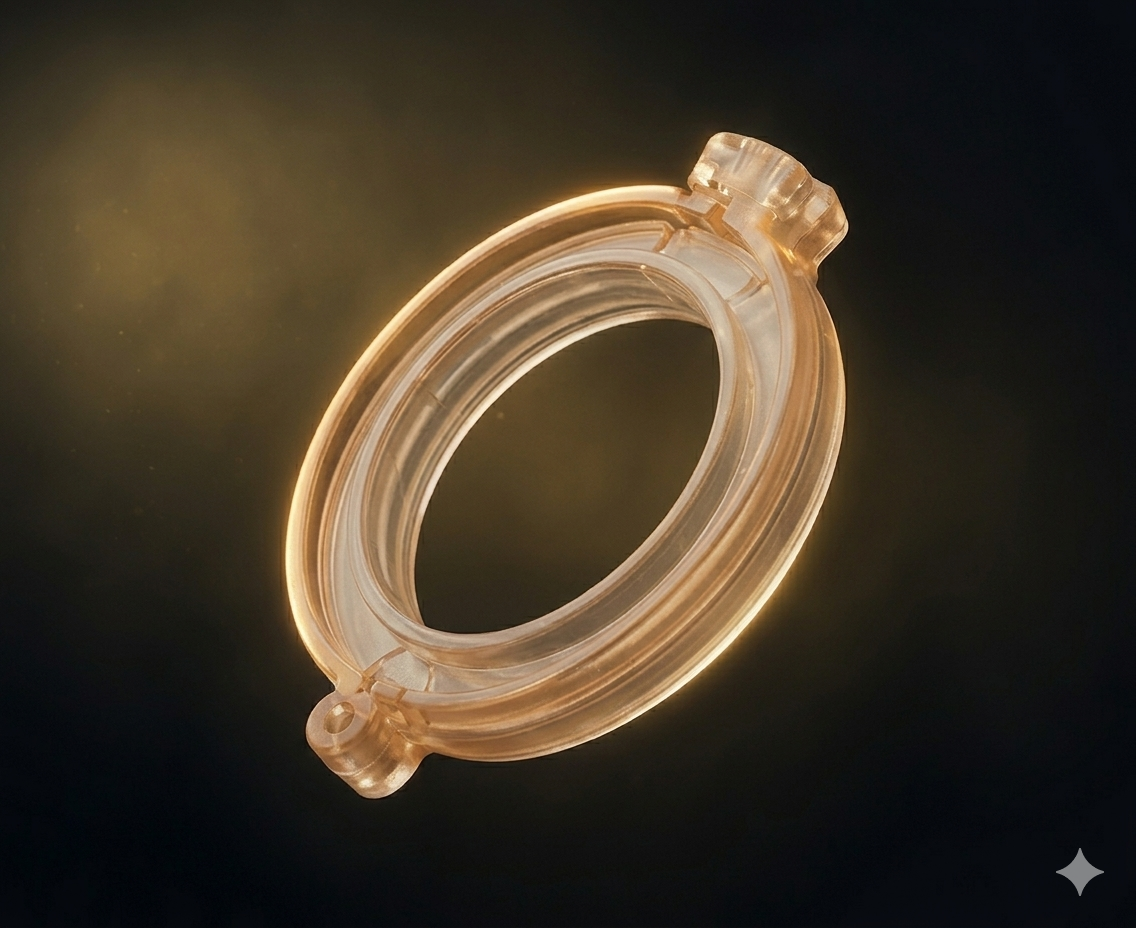
Adult circumcision is the surgical removal of the foreskin. At Hisential Clinics, the procedure is performed by the SMC-registered medical team using the Shang Ring - a WHO-prequalified, single-use circumcision device - under local anaesthetic, in our private clinic procedure room. No sutures, no hospital admission. The rings are left in place to detach naturally, typically in 3-4 weeks, so the skin edge is not disturbed while it heals. Indications include phimosis, recurrent infection, lichen sclerosus, and personal or religious preference. Recovery is typically 2-4 weeks.
Verified by Dr. Anthony Stanislaus, MBBS, PBM, Cert. Men's Health · Last reviewed 1 May 2026 · Next review 1 November 2026
Related conditions: STD Testing in Singapore, and HPV & Genital Wart Removal in Singapore.
Connect with your concierge
Online booking or WhatsApp. Choose a discreet, unhurried slot.
Honest assessment
Indication confirmed, alternatives discussed, technique explained. No pressure to schedule.
Procedure & aftercare
Performed in clinic, structured aftercare coordinated by your personal health concierge end-to-end.
How much does adult circumcision cost in Singapore?
S$1,900 including GST
- The fee includes the procedure and the post-procedure follow-up consultation.
- The fee excludes medications.
Prices last updated . Prices include GST unless stated otherwise and are confirmed by your concierge before anything is booked.
The Hisential pathway at a glance
Self-check
Could adult circumcision be appropriate for you?
A confidential, 30-second self-check. If two or more apply consistently, a calm consultation is a reasonable next step. Your responses stay on this device only.
This self-check is informational only. A full clinical examination is conducted at your consultation.
Why people choose Hisential
Personal health concierge
One dedicated contact who coordinates consultation, procedure, and follow-up end-to-end.
SMC-registered doctors
Led by our SMC-registered medical team, with substantial experience in adult medical circumcision.
Dedicated procedure room
Clean, private clinical procedure room within Hisential - no hospital admission required.
Structured aftercare
Written instructions, teleconsultation or in-person review as needed, WhatsApp access to your concierge between visits.
Circumcision is the surgical removal of the foreskin (prepuce) - the layer of skin that covers the head of the penis. The procedure has been performed for thousands of years for religious, cultural, and medical reasons; modern surgical technique has made it a routine, well-tolerated procedure when performed by experienced practitioners.
In adult practice, the indication usually falls into one of three categories:
- Medical - phimosis, recurrent balanitis, lichen sclerosus, recurrent UTIs in selected cases, pre-cancerous lesions, persistent hygiene difficulty, or a painful/torn frenulum.
- Religious or cultural - adult conversion or observance.
- Personal preference - cosmetic, hygiene, or reduced-risk reasoning.
All reasons are valid at Hisential. The consultation focuses on what you want to understand and decide, without judgement.
At Hisential Clinics, adult circumcision is performed using the Shang Ring (also written ShangRing) - a sterile, single-use circumcision device prequalified by the World Health Organization for adult male circumcision and used at scale in clinical programmes worldwide.
How it works: An inner ring is placed inside the foreskin against the glans, the foreskin is drawn over it, and an outer ring is clamped to compress the foreskin cleanly between the two rings. The excess foreskin is then removed. No hand-sewn sutures are required.
What happens to the rings: Both rings stay in place after the procedure. Nothing is removed in clinic. They detach naturally as the skin underneath heals - typically in 3-4 weeks. This is a deliberate choice: our clinical rationale is that letting the ring release on its own avoids any mechanical pulling on the healing edge.
Why we use it: The Shang Ring is a WHO-prequalified, single-use device that needs no hand-sewn sutures, so there is no stitch line to manage. It is our preferred technique for suitable cases because it is performed under local anaesthetic in our procedure room, with no hospital admission and no general anaesthesia.
Anaesthesia: Local anaesthetic only, applied to the area. You are awake throughout, the area is numbed for the procedure, and you walk out the same day.
Duration: Typically 30-60 minutes in the procedure room, including preparation, sizing, the procedure itself, and dressing.
When this technique is not the right fit: A small number of patients with specific anatomy, advanced lichen sclerosus, certain bleeding disorders, or uncontrolled diabetes may be better served by a conventional sutured technique or onward referral. Your doctor will discuss this honestly during consultation.
A complete clinical episode at Hisential is structured around four clearly-defined stages, so you understand what to expect at each visit.
Stage 1 - Pre-consultation triage. Brief WhatsApp or phone history with your concierge to determine whether teleconsultation, an in-clinic visit, or a same-day workup is most appropriate.
Stage 2 - In-clinic assessment. Structured history, focused examination, and - where clinically indicated - investigations. Costs are confirmed before any chargeable test is performed; nothing is added without consent. Your pre-procedure assessment can be combined with a health screening in the same visit.
Stage 3 - Diagnosis, plan, and shared decision-making. Findings reviewed in plain language. Options framed in terms of expected benefit, realistic timelines, and side-effect profile. You may request a second appointment to consider options before scheduling.
Stage 4 - Follow-up and continuity. You are told what to look out for after the procedure, with teleconsultation or an in-person review arranged as needed. Records retained securely and remain accessible to you on request.
What we will not do. Hisential does not sell unproven therapies, does not recommend tests without a clinical indication, and does not extend treatment beyond what the evidence supports. If a case falls outside our scope, we say so and refer appropriately.
Detailed written aftercare instructions are provided on the day of your procedure. The general principles:
- Wound care. Keep clean and dry. Gentle showering from day 1; avoid baths, pools, and sea until fully healed. Pat dry rather than rub.
- Dressings. A simple non-adherent dressing is usually applied. You'll be told when and how to remove or change it.
- Activity. There is no restriction on normal daily activities, including work and driving. Avoid exercise for the first week, then exercise as tolerated.
- Medication. Paracetamol regularly for the first 48-72 hours, with an NSAID (if not contraindicated) for additional comfort. A short course of oral antibiotic is occasionally prescribed depending on the case.
- Erections. Nocturnal erections in the first week can tug at the healing edge and feel uncomfortable; this settles quickly as healing progresses, and your doctor will advise on how to manage them.
- Sexual activity is deferred until 4-6 weeks post-procedure to allow complete healing.
- Shang Ring. Both rings are left in place and detach naturally as the skin heals, typically in 3-4 weeks; no removal visit required.
- Follow-up. Teleconsultation or in-person review as needed, rather than on a fixed schedule. WhatsApp the clinic with any questions between visits.
When to contact the clinic promptly: heavy or persistent bleeding, fever, increasing pain after day 3, spreading redness, pus-like discharge, or inability to urinate. These are uncommon but should be assessed quickly.
The pathway in depth
Every circumcision at Hisential begins with a dedicated consultation. The aim is a genuinely informed decision, not a sales conversation.
What it covers: your reasons for considering circumcision, focused medical and sexual history, a brief respectful genital examination, and a clear explanation of the technique we'd recommend and why.
Discussion of alternatives: where appropriate, conservative options for phimosis (topical steroid therapy, stretching) are presented honestly so you can weigh trade-offs.
Expectations set: realistic recovery timeline, what the first 72 hours feel like, when you can return to work, exercise, and sexual activity, and what aftercare looks like.
Decision point: many men take time to decide after consultation, and that is encouraged. There is no pressure to schedule on the day.
The procedure is performed in our private clinic procedure room within Hisential Clinics. You are not admitted to a hospital and there is no need to fast.
On arrival: you meet your personal health concierge, confirm consent in writing, and are walked through what will happen, step by step.
Sizing: your doctor measures and selects the appropriate Shang Ring size. Correct sizing is part of why this technique gives a consistent cosmetic outcome.
Anaesthesia: local anaesthetic is applied to the area, so it is numbed for the procedure. You remain awake throughout.
Procedure: the inner ring is placed inside the foreskin, the foreskin is drawn over it, and the outer ring is clamped to compress the foreskin between the two rings. The excess foreskin is removed. Both rings stay in place afterwards - they act as a haemostatic seal and a healing template - and detach on their own as the underlying skin heals, typically in 3-4 weeks. The entire procedure usually takes 30-60 minutes.
After the procedure: a short observation period in a private space, a debrief with your concierge, written aftercare instructions, take-home medication, and discharge.
Getting home: driving is allowed, and you will not be incapacitated. Some patients still prefer to arrange a Grab or have a family member drive them home.
The rings detach on their own. We deliberately do not remove the Shang Ring at a scheduled visit. Both rings are left in place to release naturally once the underlying skin has healed - typically in 3-4 weeks. This avoids any mechanical disturbance of the healing edge and is associated with the cleanest cosmetic outcome. Some patients barely notice when they detach; others see the ring loosen visibly first. Both are normal. Your personal health concierge is on WhatsApp throughout if you have any questions.
Recovery from adult circumcision is generally straightforward when the aftercare plan is followed. The first 24-48 hours are the most uncomfortable; from there, healing is steady.
First week: mild-to-moderate discomfort managed with simple analgesia (paracetamol regularly, NSAID if not contraindicated). Swelling and bruising are normal. Normal daily activities are not restricted; exercise is avoided for the first week, then resumed as tolerated.
Wound care: keep the area clean and dry. Gentle showering from day 1; pat dry rather than rub. No baths, swimming, or sea until fully healed.
Return to work: there is no restriction on returning to work or normal daily activities.
Erections: nocturnal erections in the first week can tug at the healing edge and feel uncomfortable. This settles quickly as healing progresses, and your doctor will advise on how to manage them.
Sexual activity: paused for 4-6 weeks until the skin has fully healed.
Follow-up: you are told exactly what to look out for, and teleconsultation or an in-person review is arranged as needed rather than on a fixed schedule. WhatsApp access to your concierge between visits is included.
Circumcision is not always the right first step. For many men with mild-to-moderate phimosis, conservative options resolve the problem without surgery.
Topical steroid therapy: a 4-8 week course of moderate-potency corticosteroid cream, often combined with gentle stretching, resolves 70-90% of suitable cases in pooled trial data 1. First-line for adult phimosis without lichen sclerosus.
Structured stretching: gentle, doctor-demonstrated daily stretching, alone or paired with topical therapy. Low cost, low risk; small daily gains over 8-12 weeks.
When circumcision is the right call: severe pathological phimosis, established lichen sclerosus, recurrent balanitis or posthitis, recurrent paraphimosis, or where conservative measures have been tried and have not delivered. It is also a reasonable elective choice on personal, hygiene, or religious grounds.
Second opinion: if you have been told elsewhere that circumcision is the only option and want to test that, a calm second-opinion consultation is welcome.
How Hisential approaches circumcision
We treat circumcision as a real decision, not a default. For men presenting with phimosis, non-surgical options are honestly offered first where they're likely to work. When circumcision is the right answer - severe phimosis, lichen sclerosus, recurrent infection, or a clear personal or religious preference - it's performed in a modern, discreet, clinical setting with a structured aftercare pathway, and end-to-end coordination by your personal health concierge.
Quick answers
Q:
How long is the actual procedure?
Typically 30-60 minutes in our private clinic procedure room, under local anaesthetic. You go home the same day.
Q:
Does it hurt?
The area is numbed with local anaesthetic for the procedure, and most men describe it as manageable. The first 24-48 hours afterwards involve mild-to-moderate discomfort managed with paracetamol or an NSAID.
Q:
When can I go back to work?
There is no restriction on work or normal daily activities. Avoid exercise for the first week, then exercise as tolerated.
Q:
When can I have sex again?
Sexual activity is paused for 4-6 weeks until the skin has fully healed.
Q:
Will it change sensitivity?
Most men report no significant long-term change. Some report subtle changes in either direction that typically settle within a few months.
Q:
Do I have to be circumcised?
Not necessarily. If you have phimosis, conservative options like topical steroid therapy and structured stretching may suit you better. We'll be honest about which path fits.
Frequently asked questions
Clear answers, written by our clinical team. Tap any question for its direct permalink, or reach out to your Personal Concierge for anything else.
Common medical indications include phimosis (a tight foreskin that limits retraction), recurrent balanitis or foreskin infections, lichen sclerosus, and pain or restriction during sex caused by the foreskin. Personal, hygiene, and religious reasons are also valid grounds for considering the procedure.
Hisential Clinics uses the Shang Ring - a WHO-prequalified, single-use circumcision device that performs the procedure without hand-sewn sutures. An inner and outer ring compress the foreskin between them and the excess is removed. Both rings stay in place afterwards and detach naturally as the skin heals, usually in 3-4 weeks. Our clinical rationale for letting the ring release on its own is that it avoids mechanical disruption of the healing edge. There is no stitch line to manage, and the procedure is done with local anaesthetic applied to the area in our procedure room.
Nothing is removed in clinic. Both rings are intentionally left in place - they act as a haemostatic seal and a healing template, and detach on their own as the underlying skin heals, typically in 3-4 weeks. No mechanical removal visit is needed. Some patients barely notice when they detach; others see the ring loosen visibly first. Both are normal.
There is no restriction on normal daily activities, including work and driving. Exercise is avoided for the first week, then resumed as tolerated. Sexual activity is paused for 4-6 weeks. The Shang Ring detaches naturally during the healing phase, usually in 3-4 weeks.
Like any surgical procedure, adult circumcision carries small risks including bleeding, infection, and wound healing issues. The Shang Ring technique is associated with lower bleeding rates and a faster procedure than conventional sutured circumcision. Your doctor will discuss your individual risk profile during consultation.
No fasting is required. Eat a light meal beforehand. Wear loose, comfortable clothing and bring supportive briefs for after the procedure. Continue regular medications unless your doctor advises otherwise. Driving afterwards is allowed, though you can arrange a Grab or family member to drive you home if you prefer.
Letting the rings release on their own avoids any mechanical pulling on the healing skin edge. They only detach once the underlying tissue has healed enough to let them go, typically in 3-4 weeks. This is a deliberate clinical choice, not a passive one.
We tell you exactly what to look out for, and you come back only if something needs review; teleconsultation or an in-person visit is arranged as needed. Contact your personal health concierge promptly if you experience heavy bleeding, fever, increasing pain, the ring shifting in an unusual way, or signs of infection such as pus, foul odour, or spreading redness. If the ring has not detached after about five weeks, contact the clinic so we can review. WhatsApp access to the concierge is included between visits.
Fees are private and payable in full at the visit. MediSave, CHAS and Healthier SG subsidies do not apply. Some insurance plans cover consultations and investigations on a reimbursement basis: you pay the clinic and claim back from your insurer afterwards. The concierge provides the documentation you need and helps with the claim paperwork. Instalment payment is available: ask the concierge about the options before your visit.
Still have a question?
Your Personal Concierge replies within one business day - confidentially.
Glossary
- Circumcision
- Surgical removal of the foreskin (prepuce). In adults, performed under local anaesthetic.
- Foreskin (prepuce)
- The layer of skin that covers the head of the penis. Removed during circumcision.
- Phimosis
- Inability to fully retract the foreskin over the glans. A common medical indication for adult circumcision.
- Lichen sclerosus
- A chronic inflammatory skin condition that scars the foreskin and is often best treated definitively with circumcision.
- Balanitis
- Inflammation of the glans, often recurrent in men with phimosis or poor hygiene access under the foreskin.
- Local anaesthetic
- Medication applied to numb a small area. Used for adult circumcision; you remain awake and the area is numbed for the procedure.
- Shang Ring (ShangRing)
- A WHO-prequalified, single-use adult circumcision device. An inner ring and outer ring compress the foreskin between them so the procedure can be done without hand-sewn sutures. Both rings stay in place after the procedure and detach naturally as the underlying skin heals, typically in 3-4 weeks - no mechanical removal needed.
Ready to start?
A calm, modern adult circumcision - done properly.
Speak with our Medical team and your personal health concierge - appointments often available same day or next day, subject to clinic capacity, at Hisential Clinics.
Sources
Visit Hisential Clinics
Hisential Orchard Clinic
333A Orchard Road, #04-13 Mandarin Gallery
Singapore 238897
Phone: +65 3125 6028
WhatsApp: +65 8963 5233
Hours: Weekdays 10am-7pm, Sat-Sun 10am-5pm
Parking: Mandarin Gallery underground car park, validated for clinic visitors. Public transit: Somerset MRT (NS23) two minutes' walk; Orchard MRT five minutes.
Related conditions and services
Phimosis
Most common medical indication for adult circumcision - conservative options discussed first.
STD testing
Confidential testing where recurrent balanitis or infection history warrants.
HPV & genital wart removal
Treatment for HPV-related lesions; often discussed alongside foreskin care.
Comprehensive health screening
Identifies contributors like diabetes that predispose to recurrent balanitis.
Medically reviewed by Dr. Anthony Stanislaus, MBBS, PBM, Cert. Men's Health
Last reviewed 1 May 2026 · Next review 1 November 2026