Hisential Health Screening Packages - Full Contents (Men & Women)
The Monet - The Foundation (from S$290 after GST)
Essential screening that lays the groundwork.
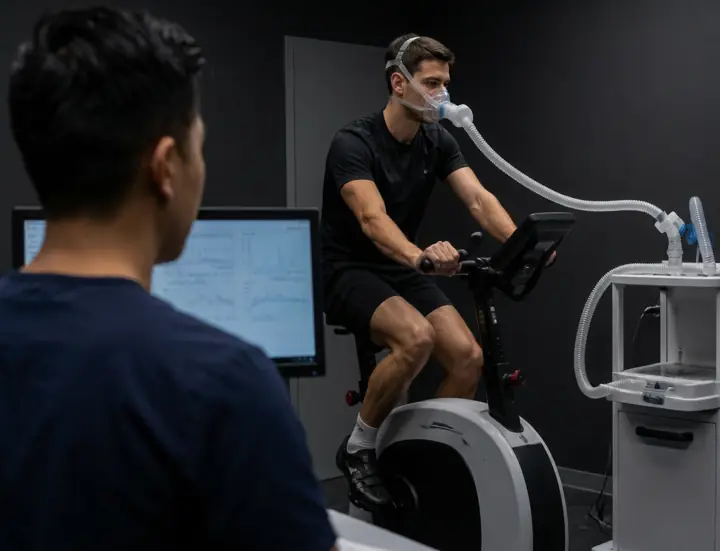
Included for everyone: Medical Consultation (History & Physical Examination); Medical Report; Biophysical Profile (Blood Pressure, BMI, Body Fat Measurement); Visual Acuity; Resting Electrocardiogram (ECG); Cardiac Risk Assessment; Lung Function Test.
Lab tests for men: Cholesterol Panel - Total Cholesterol, HDL & LDL Cholesterol, HDL/LDL Ratio, Triglycerides, Lipoprotein (a); Diabetic Panel - HbA1C, Random Blood Sugar; Full Blood Panel - Hb, WCC, RCC, Hct, DC, MCV, Platelets, ABO Blood Group; Kidney Function Panel - Urea, Creatinine, Electrolytes (sodium, potassium, chloride), Urine FEME, eGFR; Liver Panel - ALP, ALT, AST, GGT, Albumin, Globulin, A/G Ratio, Total Bilirubin, Total Protein; Venereal Disease Panel - Syphilis TP Antibody, VDRL (RPR), TPHA; Bone & Joint Panel - Calcium, Phosphate, Uric Acid; Cardiac Risk Panel - Lipoprotein (a).
Lab tests for women: Cholesterol Panel - Total Cholesterol, HDL & LDL Cholesterol, HDL/LDL Ratio, Triglycerides, Lipoprotein (a); Diabetic Panel - HbA1C, Random Blood Sugar; Full Blood Panel - Hb, WCC, RCC, Hct, DC, MCV, Platelets, ABO Blood Group; Kidney Function Panel - Urea, Creatinine, Electrolytes (sodium, potassium, chloride), Urine FEME, eGFR; Liver Panel - ALP, ALT, AST, GGT, Albumin, Globulin, A/G Ratio, Total Bilirubin, Total Protein; Venereal Disease Panel - Syphilis TP Antibody, VDRL (RPR), TPHA; Bone & Joint Panel - Calcium, Phosphate, Uric Acid; Cardiac Risk Panel - Lipoprotein (a).
Tailored for men: Foundation panels - male wellness baseline. Tailored for women: Foundation panels - female wellness baseline.
The Picasso - The Expansion (from S$650 after GST)
Cancer markers, thyroid, and hepatitis screening added.
Included for everyone: Medical Consultation (History & Physical Examination); Medical Report; Biophysical Profile (Blood Pressure, BMI, Body Fat Measurement); Visual Acuity; Resting Electrocardiogram (ECG); Cardiac Risk Assessment; Lung Function Test; Chest X-Ray.
Lab tests for men: Cholesterol Panel - Total Cholesterol, HDL & LDL Cholesterol, HDL/LDL Ratio, Triglycerides, Lipoprotein (a); Diabetic Panel - HbA1C, Random Blood Sugar; Full Blood Panel - Hb, WCC, RCC, Hct, DC, MCV, Platelets, ABO Blood Group; Kidney Function Panel - Urea, Creatinine, Electrolytes (sodium, potassium, chloride), Urine FEME, eGFR; Liver Panel - ALP, ALT, AST, GGT, Albumin, Globulin, A/G Ratio, Total Bilirubin, Total Protein; Venereal Disease Panel - Syphilis TP Antibody, VDRL (RPR), TPHA; Bone & Joint Panel - Calcium, Phosphate, Uric Acid, Rheumatoid (RA) Factor; Thyroid Function Panel - Free T4, TSH; Stool Occult Blood Test; Hepatitis Panel - Hepatitis A IgG, Hepatitis Bs Antigen, Hepatitis Bs Antibody; Cancer Markers - AFP (Alpha Fetoprotein), CEA (Carcinoembryonic Antigen), PSA (Prostate Specific Antigen); Cardiac Risk Panel - Lipoprotein (a).
Lab tests for women: Cholesterol Panel - Total Cholesterol, HDL & LDL Cholesterol, HDL/LDL Ratio, Triglycerides, Lipoprotein (a); Diabetic Panel - HbA1C, Random Blood Sugar; Full Blood Panel - Hb, WCC, RCC, Hct, DC, MCV, Platelets, ABO Blood Group; Kidney Function Panel - Urea, Creatinine, Electrolytes (sodium, potassium, chloride), Urine FEME, eGFR; Liver Panel - ALP, ALT, AST, GGT, Albumin, Globulin, A/G Ratio, Total Bilirubin, Total Protein; Venereal Disease Panel - Syphilis TP Antibody, VDRL (RPR), TPHA; Bone & Joint Panel - Calcium, Phosphate, Uric Acid, Rheumatoid (RA) Factor; Thyroid Function Panel - Free T4, TSH; Stool Occult Blood Test; Hepatitis Panel - Hepatitis A IgG, Hepatitis Bs Antigen, Hepatitis Bs Antibody; Cancer Markers - AFP (Alpha Fetoprotein), CEA (Carcinoembryonic Antigen), CA125; Cardiac Risk Panel - Lipoprotein (a).
Tailored for men: Includes PSA + AFP, CEA cancer markers. Tailored for women: Includes CA125 + AFP, CEA cancer markers.
The Michelangelo - The Comprehensive (from S$850 after GST)
Adds radiology imaging and inflammation markers.
Included for everyone: Medical Consultation (History & Physical Examination); Medical Report; Biophysical Profile (Blood Pressure, BMI, Body Fat Measurement); Visual Acuity; Resting Electrocardiogram (ECG); Cardiac Risk Assessment; Lung Function Test; Chest X-Ray.
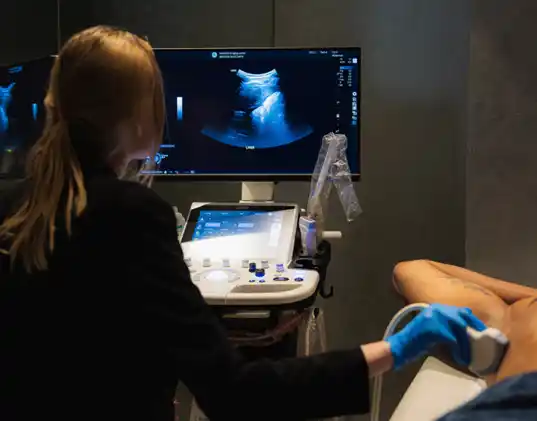
Choose 1 of 6 radiology scans: Men can choose: Thyroid Ultrasound; Kidney, Ureter, Bladder Ultrasound; Scrotum Ultrasound; Prostate Ultrasound; Hepatobiliary System Ultrasound; Bone Mineral Density (BMD). Women can choose: Thyroid Ultrasound; Kidney, Ureter, Bladder Ultrasound; Breast Ultrasound; Pelvic Ultrasound; Hepatobiliary System Ultrasound; Bone Mineral Density (BMD).
Lab tests for men: Cholesterol Panel - Total Cholesterol, HDL & LDL Cholesterol, HDL/LDL Ratio, Triglycerides, Lipoprotein (a); Diabetic Panel - HbA1C, Random Blood Sugar; Full Blood Panel - Hb, WCC, RCC, Hct, DC, MCV, Platelets, ABO Blood Group; Kidney Function Panel - Urea, Creatinine, Electrolytes (sodium, potassium, chloride), Urine FEME, eGFR; Liver Panel - ALP, ALT, AST, GGT, Albumin, Globulin, A/G Ratio, Total Bilirubin, Total Protein; Venereal Disease Panel - Syphilis TP Antibody, VDRL (RPR), TPHA; Bone & Joint Panel - Calcium, Phosphate, Uric Acid, Rheumatoid (RA) Factor; Cardiac Risk Panel - Lipoprotein (a), hsCRP; Thyroid Function Panel - Free T4, TSH; Stool Occult Blood Test; Hepatitis Panel - Hepatitis A IgG, Hepatitis Bs Antigen, Hepatitis Bs Antibody; Cancer Markers - AFP (Alpha Fetoprotein), CEA (Carcinoembryonic Antigen), PSA (Prostate Specific Antigen).
Lab tests for women: Cholesterol Panel - Total Cholesterol, HDL & LDL Cholesterol, HDL/LDL Ratio, Triglycerides, Lipoprotein (a); Diabetic Panel - HbA1C, Random Blood Sugar; Full Blood Panel - Hb, WCC, RCC, Hct, DC, MCV, Platelets, ABO Blood Group; Kidney Function Panel - Urea, Creatinine, Electrolytes (sodium, potassium, chloride), Urine FEME, eGFR; Liver Panel - ALP, ALT, AST, GGT, Albumin, Globulin, A/G Ratio, Total Bilirubin, Total Protein; Venereal Disease Panel - Syphilis TP Antibody, VDRL (RPR), TPHA; Bone & Joint Panel - Calcium, Phosphate, Uric Acid, Rheumatoid (RA) Factor; Cardiac Risk Panel - Lipoprotein (a), hsCRP; Thyroid Function Panel - Free T4, TSH; Stool Occult Blood Test; Hepatitis Panel - Hepatitis A IgG, Hepatitis Bs Antigen, Hepatitis Bs Antibody; Cancer Markers - AFP (Alpha Fetoprotein), CEA (Carcinoembryonic Antigen), CA125.
Tailored for men: PSA marker + scrotum and prostate ultrasound options. Tailored for women: CA125 marker + breast and pelvic ultrasound options.
The Van Gogh - The Refined (from S$1,250 after GST)
Vitamin D, advanced cancer markers, two radiology scans.
Included for everyone: Medical Consultation (History & Physical Examination); Medical Report; Biophysical Profile (Blood Pressure, BMI, Body Fat Measurement); Visual Acuity; Resting Electrocardiogram (ECG); Cardiac Risk Assessment; Lung Function Test; Chest X-Ray.
Choose 2 of 6 radiology scans: Men can choose: Thyroid Ultrasound; Kidney, Ureter, Bladder Ultrasound; Scrotum Ultrasound; Prostate Ultrasound; Hepatobiliary System Ultrasound; Bone Mineral Density (BMD). Women can choose: Thyroid Ultrasound; Kidney, Ureter, Bladder Ultrasound; Breast Ultrasound; Pelvic Ultrasound; Hepatobiliary System Ultrasound; Bone Mineral Density (BMD).
Lab tests for men: Cholesterol Panel - Total Cholesterol, HDL & LDL Cholesterol, HDL/LDL Ratio, Triglycerides, Lipoprotein (a); Diabetic Panel - HbA1C, Random Blood Sugar; Full Blood Panel - Hb, WCC, RCC, Hct, DC, MCV, Platelets, ABO Blood Group; Kidney Function Panel - Urea, Creatinine, Electrolytes (sodium, potassium, chloride), Urine FEME, eGFR; Liver Panel - ALP, ALT, AST, GGT, Albumin, Globulin, A/G Ratio, Total Bilirubin, Total Protein; Venereal Disease Panel - Syphilis TP Antibody, VDRL (RPR), TPHA; Bone & Joint Panel - Calcium, Phosphate, Uric Acid, Rheumatoid (RA) Factor, Vitamin D; Cardiac Risk Panel - Lipoprotein (a), hsCRP; Thyroid Function Panel - Free T4, TSH; Stool Occult Blood Test; Hepatitis Panel - Hepatitis A IgG, Hepatitis Bs Antigen, Hepatitis Bs Antibody, Hepatitis C Antibody; Cancer Markers - AFP, CEA, PSA, β-hCG.
Lab tests for women: Cholesterol Panel - Total Cholesterol, HDL & LDL Cholesterol, HDL/LDL Ratio, Triglycerides, Lipoprotein (a); Diabetic Panel - HbA1C, Random Blood Sugar; Full Blood Panel - Hb, WCC, RCC, Hct, DC, MCV, Platelets, ABO Blood Group; Kidney Function Panel - Urea, Creatinine, Electrolytes (sodium, potassium, chloride), Urine FEME, eGFR; Liver Panel - ALP, ALT, AST, GGT, Albumin, Globulin, A/G Ratio, Total Bilirubin, Total Protein; Venereal Disease Panel - Syphilis TP Antibody, VDRL (RPR), TPHA; Bone & Joint Panel - Calcium, Phosphate, Uric Acid, Rheumatoid (RA) Factor, Vitamin D; Cardiac Risk Panel - Lipoprotein (a), hsCRP; Thyroid Function Panel - Free T4, TSH; Stool Occult Blood Test; Hepatitis Panel - Hepatitis A IgG, Hepatitis Bs Antigen, Hepatitis Bs Antibody, Hepatitis C Antibody; Cancer Markers - AFP, CEA, CA125, β-hCG.
Tailored for men: Adds β-hCG to PSA-led cancer panel + 2 men's scans. Tailored for women: Adds β-hCG to CA125-led cancer panel + 2 women's scans.
The Da Vinci - The Masterpiece (from S$1,800 after GST)
Our most comprehensive full-spectrum screening for total clarity.
Included for everyone: Medical Consultation (History & Physical Examination); Medical Report; Biophysical Profile (Blood Pressure, BMI, Body Fat Measurement); Visual Acuity; Resting Electrocardiogram (ECG); Cardiac Risk Assessment; Lung Function Test; Chest X-Ray.
Choose 3 of 6 radiology scans: Men can choose: Thyroid Ultrasound; Kidney, Ureter, Bladder Ultrasound; Scrotum Ultrasound; Prostate Ultrasound; Hepatobiliary System Ultrasound; Bone Mineral Density (BMD). Women can choose: Thyroid Ultrasound; Kidney, Ureter, Bladder Ultrasound; Breast Ultrasound; Pelvic Ultrasound; Hepatobiliary System Ultrasound; Bone Mineral Density (BMD).
Lab tests for men: Cholesterol Panel - Total Cholesterol, HDL & LDL Cholesterol, HDL/LDL Ratio, Triglycerides, Lipoprotein (a); Diabetic Panel - HbA1C, Random Blood Sugar; Full Blood Panel - Hb, WCC, RCC, Hct, DC, MCV, Platelets, ABO Blood Group; Kidney Function Panel - Urea, Creatinine, Electrolytes (sodium, potassium, chloride), Urine FEME, eGFR; Liver Panel - ALP, ALT, AST, GGT, Albumin, Globulin, A/G Ratio, Total Bilirubin, Total Protein; Venereal Disease Panel - Syphilis TP Antibody, VDRL (RPR), TPHA; Bone & Joint Panel - Calcium, Phosphate, Uric Acid, Rheumatoid (RA) Factor, Vitamin D; Cardiac Risk Panel - Lipoprotein (a), hsCRP; Thyroid Function Panel - Free T4, TSH; Stool Occult Blood Test; Hepatitis Panel - Hepatitis A IgG, Hepatitis Bs Antigen, Hepatitis Bs Antibody, Hepatitis C Antibody; Cancer Markers - AFP, CEA, PSA, β-hCG, EBV VCA IgA; Male Hormonal Panel - DHEA, E2, FSH, LH, Testosterone, Prolactin, SHBG.
Lab tests for women: Cholesterol Panel - Total Cholesterol, HDL & LDL Cholesterol, HDL/LDL Ratio, Triglycerides, Lipoprotein (a); Diabetic Panel - HbA1C, Random Blood Sugar; Full Blood Panel - Hb, WCC, RCC, Hct, DC, MCV, Platelets, ABO Blood Group; Kidney Function Panel - Urea, Creatinine, Electrolytes (sodium, potassium, chloride), Urine FEME, eGFR; Liver Panel - ALP, ALT, AST, GGT, Albumin, Globulin, A/G Ratio, Total Bilirubin, Total Protein; Venereal Disease Panel - Syphilis TP Antibody, VDRL (RPR), TPHA; Bone & Joint Panel - Calcium, Phosphate, Uric Acid, Rheumatoid (RA) Factor, Vitamin D; Cardiac Risk Panel - Lipoprotein (a), hsCRP; Thyroid Function Panel - Free T4, TSH; Stool Occult Blood Test; Hepatitis Panel - Hepatitis A IgG, Hepatitis Bs Antigen, Hepatitis Bs Antibody, Hepatitis C Antibody; Cancer Markers - AFP, CEA, CA125, β-hCG, EBV VCA IgA; Female Hormonal Panel - DHEA, E2, FSH, LH, Progesterone, Prolactin, SHBG.
Tailored for men: Full PSA + EBV cancer panel + 3 men's ultrasound scans. Tailored for women: Full CA125 + EBV cancer panel + 3 women's ultrasound scans.
The Bernini - The Specialty (from S$999 after GST)
An 82-biomarker blood panel covering hormonal, metabolic and advanced cardiac markers.
Included for everyone: Medical Consultation (History & Physical Examination); Medical Report; Biophysical Profile (Blood Pressure, BMI, Body Fat Measurement); Visual Acuity; Resting Electrocardiogram (ECG); Cardiac Risk Assessment.
Lab tests for men: Cholesterol Panel - Total Cholesterol, HDL & LDL Cholesterol, HDL/LDL Ratio, Triglycerides, Lipoprotein (a); Diabetic Panel - HbA1C, Random Blood Sugar, Insulin Levels, HOMA-IR; Full Blood Panel - Hb, WCC, RCC, Hct, DC, MCV, Platelets, ABO Blood Group, ESR; Kidney Function Panel - Urea, Creatinine, eGFR, Electrolytes (sodium, potassium, chloride), Bicarbonate, Urine FEME; Liver Panel - ALP, ALT, AST, GGT, Albumin, Globulin, A/G Ratio, Total Bilirubin, Total Protein, FIB-4 index; Venereal Disease Panel - Syphilis TP Antibody, VDRL (RPR), TPHA; Bone & Joint Panel - Calcium, Phosphate, Uric Acid, Rheumatoid (RA) Factor; Thyroid Function Panel - Free T4, TSH; Stool Occult Blood Test; Hepatitis Panel - Hepatitis A IgG, Hepatitis Bs Antigen, Hepatitis Bs Antibody; Cancer Markers - AFP, CEA, PSA, CA19-9, EBV EA IgA; Male Hormonal Panel - DHEAs, E2, LH, Prolactin, FSH, Testosterone, Sex Hormone Binding Globulin; Cardiac Panel - Homocysteine, Apolipoprotein A1, Apolipoprotein B, Apo A1/B ratio, hsCRP, Lipoprotein (a); Vitamin Screen - Vitamin D, Vitamin B12.
Lab tests for women: Cholesterol Panel - Total Cholesterol, HDL & LDL Cholesterol, HDL/LDL Ratio, Triglycerides, Lipoprotein (a); Diabetic Panel - HbA1C, Random Blood Sugar, Insulin Levels, HOMA-IR; Full Blood Panel - Hb, WCC, RCC, Hct, DC, MCV, Platelets, ABO Blood Group, ESR; Kidney Function Panel - Urea, Creatinine, eGFR, Electrolytes (sodium, potassium, chloride), Bicarbonate, Urine FEME; Liver Panel - ALP, ALT, AST, GGT, Albumin, Globulin, A/G Ratio, Total Bilirubin, Total Protein, FIB-4 index; Venereal Disease Panel - Syphilis TP Antibody, VDRL (RPR), TPHA; Bone & Joint Panel - Calcium, Phosphate, Uric Acid, Rheumatoid (RA) Factor; Thyroid Function Panel - Free T4, TSH; Stool Occult Blood Test; Hepatitis Panel - Hepatitis A IgG, Hepatitis Bs Antigen, Hepatitis Bs Antibody; Cancer Markers - AFP, CEA, CA125, CA19-9, EBV EA IgA; Female Hormonal Panel - DHEAs, E2, LH, Prolactin, FSH, Progesterone, Sex Hormone Binding Globulin; Cardiac Panel - Homocysteine, Apolipoprotein A1, Apolipoprotein B, Apo A1/B ratio, hsCRP, Lipoprotein (a); Vitamin Screen - Vitamin D, Vitamin B12.
Tailored for men: Male hormone panel - Testosterone, FSH, LH, SHBG, DHEAs. Tailored for women: Hormonal & metabolic depth - hormone panel matched to female physiology.